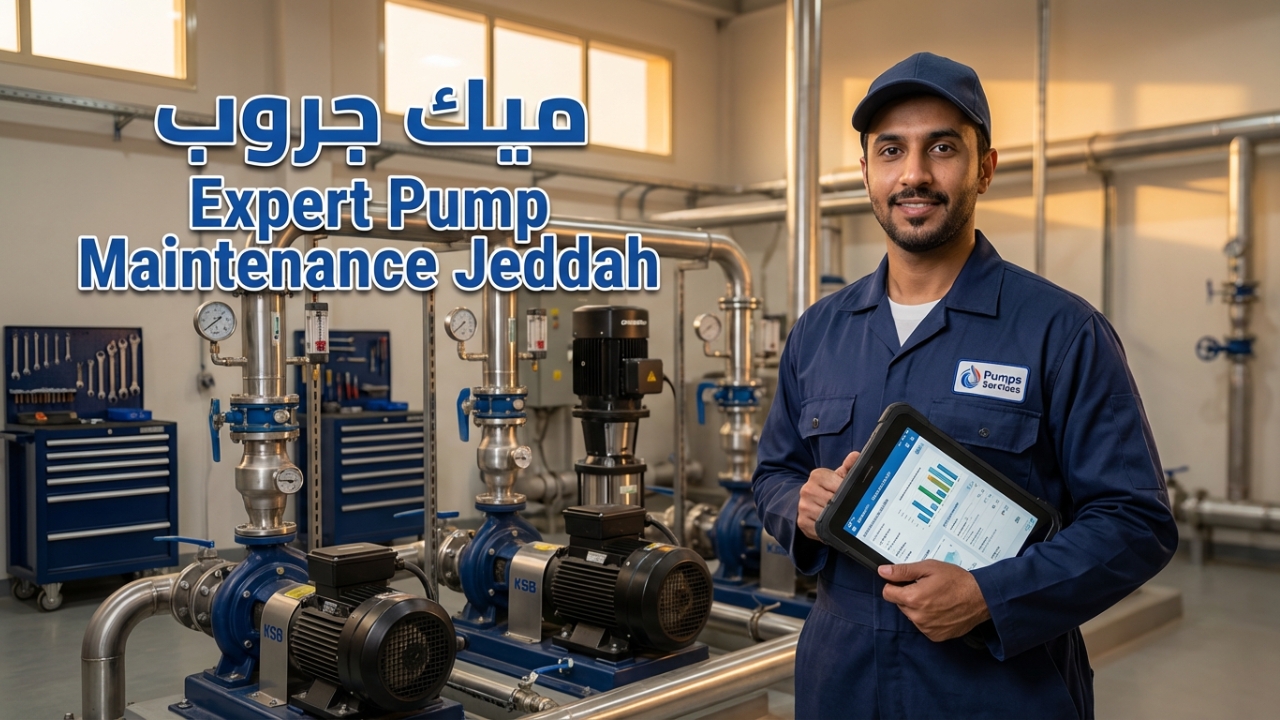
Water Pump Maintenance Company in Jeddah
Why Your Pump Deserves Some Love. Let’s be real for a second. When was the last time you actually thought about your water pump? If you’re like most people in Jeddah, the answer is probably never—until it stops working, that is. Then suddenly, it’s all you can think about. You’re standing in a puddle of water, or worse, taking a cold shower because the hot water pressure disappeared, and you’re frantically searching for a Water pump maintenance company in Jeddah on your phone.
I get it. Pumps are one of those things we take for granted. They sit quietly in basements or pump rooms, doing their job day after day without complaining. But here’s the thing about living in Jeddah—our environment is tough on machinery. Between the humidity from the Red Sea, the summer heat that could fry an egg on the sidewalk, and that fine dust that gets into everything, your pump is basically fighting a battle every single day. And without proper care, eventually, it’s going to throw in the towel.
That’s why I put this guide together. Whether you’re a homeowner with a noisy pressure pump, a building manager responsible for water supply to dozens of families, or a business owner who needs industrial pumps running 24/7, this article will walk you through everything you need to know about keeping your pumps alive and happy. And if you get stuck along the way, you can always reach out to us at pumpsservices.com or call us at +966564709249. We’re here to help, and we don’t bite—unless you count the occasional playful joke.
So grab a cup of tea (or coffee, I don’t judge), and let’s dive into the wonderful world of pump maintenance together. Yes, I said wonderful. Stay with me.
Understanding Your Pump: Not As Complicated As It Seems
What Kind of Pump Do You Actually Have?
Before you start looking for help, it helps to know what you’re dealing with. Pumps come in different shapes and sizes, kind of like cars. You wouldn’t take a Ferrari to a truck mechanic, right? The same logic applies here.
The most common pump you’ll find around Jeddah is the centrifugal pump. These are the workhorses of the water world. They use an impeller that spins really fast to move water through pipes. You’ll find them in homes, apartment buildings, and even large industrial facilities. They’re reliable, relatively simple, and when maintained properly, they can last for years.
Then you have submersible pumps, which sit underwater and push water up to the surface. These are great for wells, drainage situations, and those annoying times when your basement decides to become a swimming pool. Booster pumps are another common type—they increase water pressure in buildings so you’re not standing in the shower wondering why the water is barely trickling out.
Each type needs different care. That’s why working with a professional Pump maintenance company matters so much. They know the quirks of each pump type and can spot problems before they become disasters.
The Out of Sight, Out of Mind Problem
Here’s something funny about human nature. We install a pump, it works fine for months, and we completely forget it exists. This is totally normal—I do it too. But pumps are mechanical, and mechanical things need attention. The seals wear down. The bearings get hot. The impellers collect debris from our water, which, let’s be honest, isn’t always the cleanest.
Before you know it, that quiet hum turns into a concerning rattle. And then, usually at the worst possible moment—like Friday afternoon when every pump service center is closed—the rattle turns into expensive silence.
I remember visiting a facility once where the maintenance guy proudly told me, “We haven’t touched this pump in three years, and it’s been fine.” Famous last words, right? Three weeks later, they were calling for emergency pump service near me because the bearing seized and took the motor with it. A simple monthly check would have caught the problem early and saved them thousands of riyals.
The Search for Help: Finding Pump Service Near Me
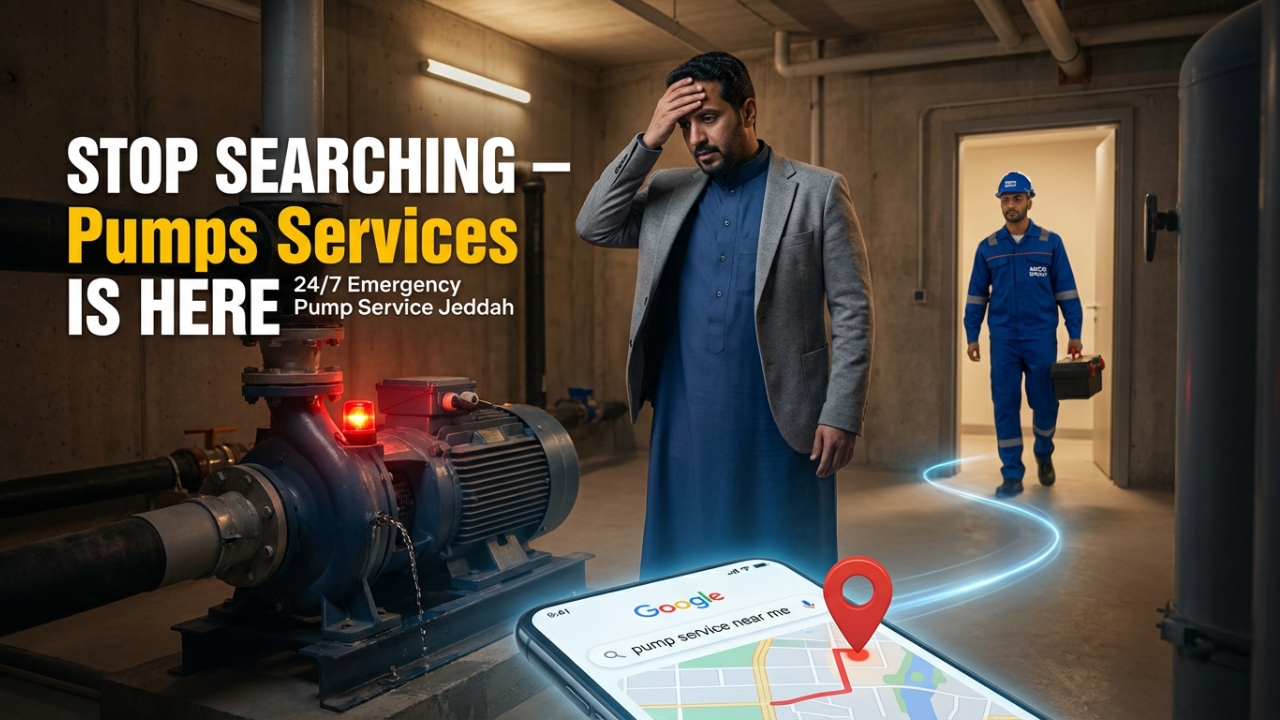
Why Local Knowledge Matters
When you type “pump service near me” into Google, you’ll get plenty of options. But not all pump companies are created equal. Jeddah has specific challenges that a good local company understands.
Our water can have high mineral content, which affects seals and impellers over time. The summer heat puts extra stress on motors—imagine running a marathon in a wool sweater, and you’ll get the idea. And let’s be honest, the parts supply chain can be tricky sometimes. A company that’s been working in Jeddah for years already knows which parts are readily available and which ones need to be ordered weeks in advance.
A local company also understands our geography. They know that getting from one side of Jeddah to the other during rush hour is its own special kind of adventure. When your pump stops working, you want someone who can actually get to you in a reasonable timeframe.
What to Look For in a Service Provider
So you search for “pump maintenance near me” and find several companies. How do you choose? First, look for experience. How long have they been in business? Second, check if they work on your specific pump type. Some companies do only residential work, while others handle industrial equipment. Third, ask about response times. In Jeddah, traffic is real, and you want someone who can actually get to you when you need them.
Also, check if they have the right tools and testing equipment. Modern pumps need more than just a wrench and a prayer. Vibration analysis, thermal imaging, and pressure testing all help diagnose problems accurately. A good company invests in these tools because they save time and money in the long run.
If you’re near the holy cities, you might also be searching for “pump service near Makkah”. The good news is that many Jeddah-based companies also service the Makkah area. Just make sure to confirm their coverage area before you assume they can help.
The Numbers Game: Getting the Right Contact
Save That Phone Number Right Now
Listen, I’m going to give you some advice that might save your weekend someday. Save the pump maintenance company number KSA in your phone right now. Not tomorrow, not when something breaks—right now. Put it under “Pump Guy” or “Emergency Pump Service” so that when things go sideways at 2 AM on a Thursday, you’re not frantically searching through old emails or asking neighbors for recommendations.
You can save our number right now: +966564709249. We’re available when you need us, whether it’s a minor adjustment or a major emergency.
What Happens When You Call
When you reach out to a Pump maintenance company, they’ll probably ask you some questions. What kind of pump do you have? What is it doing—or not doing? When did the problem start? Try to have this information ready. If you can, take a video of the pump running and a photo of the nameplate. The nameplate tells them the model, horsepower, and other details needed to bring the right parts.
I know it sounds like a lot, but trust me, it speeds everything up. Instead of the technician coming, looking at the pump, saying “Oh, I need a special seal,” and leaving to get it, they can come prepared and fix it in one visit. That means you get your water back faster, and who doesn’t want that?
The Maintenance Mindset: Preventing Problems Before They Start
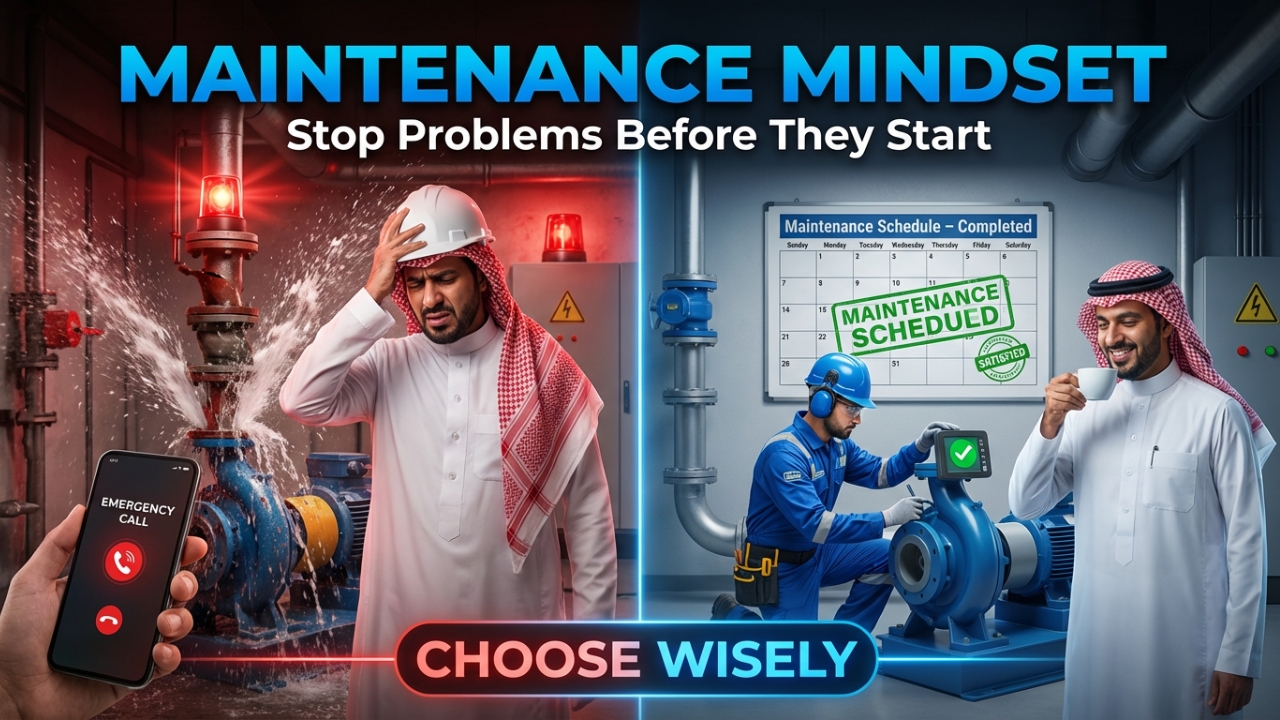
Why Waiting for Breakdowns Costs More
Here’s a simple math problem for you. Emergency repair: You pay for after-hours rates, rush shipping on parts, and maybe overtime labor. Plus, your water is off while you wait, which means no showers, no laundry, and possibly unhappy tenants or family members. Preventive maintenance: You pay a reasonable fee for regular checkups, catch problems early, and your pump keeps running. Which one sounds better?
Preventive maintenance is like brushing your teeth. Nobody loves doing it, but everybody loves not having cavities. A good maintenance program catches small issues before they become big, expensive ones. That little drip from the seal? Replace the seal now for a few hundred riyals, or replace the whole motor later for thousands of riyals—your choice.
What Good Maintenance Looks Like
When a technician does proper water pump maintenance, they check several things. They look at the alignment between the pump and motor because misalignment causes vibration and bearing wear. They check the coupling that connects them. They inspect the seals for leaks and the bearings for noise or heat.
They also check the electrical side—wiring connections, motor windings, and starting components. Many pump problems are actually electrical problems in disguise. The pump trips the breaker, and everyone blames the pump, but it might be a loose wire or a failing capacitor.
A thorough pump service center will also check the system around the pump. Are the valves working properly? Is the pressure tank functioning? Is there enough water coming into the pump? Sometimes the pump is fine, but something else in the system is causing problems.
The Nitty-Gritty: Types of Pump Maintenance
Breaking It Down Simply
When we talk about types of pump maintenance, there are really three main categories. Understanding these helps you know what to expect when you hire a professional.
First is corrective maintenance, which is fancy talk for “fixing it after it breaks.” This is the most expensive and disruptive option, but sometimes necessary. When your pump stops working, and you need it running yesterday, corrective maintenance is what saves the day.
Second is preventive maintenance, which is scheduled checkups. Every three months, six months, or once a year, someone comes to inspect, clean, and adjust things. This catches problems early and keeps everything running smoothly. This is what most people mean when they search for pump maintenance near me.
Third is predictive maintenance, which uses technology to predict when something will fail. Vibration sensors, temperature monitors, and oil analysis can tell you that a bearing is getting tired before it actually fails. This is the high-tech approach, and it works really well for critical pumps that cannot afford unexpected downtime.
The Famous Pump Maintenance Checklist
Every good technician follows a pump maintenance checklist. It keeps them from forgetting things. You can actually find a pump maintenance PDF online from various manufacturers, but here’s what a basic checklist might include:
- Visual inspection: Look for leaks, rust, loose bolts, and anything that looks wrong. Check the pump foundation—is it still solid? Are there cracks in the base?
- Listen and feel: Start the pump and listen. Any unusual noises? Grinding, squealing, knocking? Feel the pump body and bearings. Too hot to touch is a problem. Normal operating temperature should be warm but not burning.
- Check pressures and flow: Look at the pressure gauges on the suction and discharge sides. Are they within normal range? Is the flow rate what it should be? Big changes here indicate problems.
- Lubrication: Check oil levels if the pump is oil-lubricated. For grease-lubricated bearings, ensure they are greased on schedule. But be careful—too much grease is almost as bad as too little.
- Seals and packing: For pumps with packing, check the drip rate. A little drip keeps the packing cool and lubricated. No drip means it’s too tight. Too much drip means it’s worn out.
- Electrical checks: Measure voltage and current. Compare to nameplate ratings. Check connections for tightness and signs of overheating.
Water Pump Maintenance for Homes and Businesses

Residential Systems: Keeping the Family Happy
For homeowners in Jeddah, water pump maintenance usually involves maintaining the pressure pump that keeps water flowing to showers, kitchen sinks, and those lovely outdoor cooling systems we all use in summer. These are typically smaller pumps, but they still need attention.
Check for leaks around the shaft seal. If you see water dripping from where the motor shaft enters the pump, that seal is on its way out. Listen for strange noises—squealing often means bearing problems, while rattling might mean something is loose or broken. Make sure the pressure tank has the right air charge. If you tap it and it sounds solid (full of water) instead of hollow, the bladder might be broken, and the pump will cycle on and off constantly.
Also, keep the pump room or area clean and dry. Pumps do not like getting splashed, even though they pump water. Moisture leads to rust and electrical problems. It sounds obvious, but you’d be surprised how many pumps I’ve seen sitting in puddles.
Commercial and Industrial Systems: No Room for Error
For businesses, repair and service needs are more complex. A failed pump in a commercial building means unhappy tenants. In an industrial facility, it might mean production stops entirely. That’s lost money, plain and simple.
Commercial and industrial pumps are usually larger, more powerful, and more expensive to replace. They also tend to run more hours per day, which means more wear and tear. A good maintenance schedule for these pumps might include monthly inspections, quarterly detailed checks, and annual overhauls.
If you’re running a facility with multiple pumps, consider having a service agreement with a reliable Pump maintenance company. They’ll visit regularly, keep records of each pump’s condition, and alert you to potential problems before they cause downtime. It’s like having a doctor on retainer, but for your pumps.
Specialized Pump Care: Different Pumps, Different Needs
Centrifugal Pump Systems: The Common Workhorse
Since centrifugal pump systems are ubiquitous in Jeddah, let’s discuss their specific needs. These pumps move water by spinning an impeller really fast inside a casing. The water is thrown to the outside by centrifugal force—hence the name—and exits through the discharge pipe.
The main items to watch on a centrifugal pump maintenance schedule are the impeller, wear rings, seals, and bearings. The impeller can be eroded by sand or other particles in the water, and Jeddah’s water definitely contains some sand. The wear rings, which create a seal between the impeller and the casing, wear down over time. When they wear, water recirculates within the pump rather than being pushed out, wasting energy and reducing flow.
Cavitation: The Silent Killer
One problem that kills centrifugal pumps is cavitation. This happens when the pressure at the pump inlet drops too low, causing the water to boil at room temperature. Tiny bubbles form, then collapse violently against the impeller. It sounds like the pump is pumping gravel, and it’s literally eating away at the metal.
How do you prevent cavitation? Make sure the suction piping is big enough, keep strainers clean, and never starve the pump for water. Suppose you hear that telltale crackling noise, shut it down immediately and figure out why before you destroy the impeller. A good technician from a pump service center can help diagnose the cause and fix it.
Other Pump Types
If you have Honda pump maintenance near me, you’re dealing with engine-driven pumps. These require all the usual pump checks plus engine maintenance—oil changes, spark plugs, air filters, and fuel system care. They’re common on construction sites and farms.
For industrial operations, you might need hydraulic pump maintenance near me. Hydraulic pumps are different from water pumps—they use fluid pressure to transmit power. They need clean fluid, proper filtration, and careful attention to seals and connections.
And if you’re running a facility with vacuum systems, repairing vacuum pumps requires specialized knowledge. Vacuum pumps create suction by removing air from a sealed space, and they’re used in everything from medical equipment to packaging machines. Their maintenance needs are unique and should always be handled by experienced technicians.
The Repair Dilemma: When Things Go Wrong
Signs You Need Pump Repair Services
How do you know when it’s time to call for Water pump repair services? Here are some signs:
- Strange noises: Grinding, screeching, knocking, or rattling sounds mean something is wrong. Pumps should hum quietly, not sound like they’re trying to communicate with aliens.
- Leaks: Any water where it shouldn’t be is a problem. A small drip today can become a flood tomorrow.
- Pressure problems: If your water pressure has dropped significantly, the pump might be struggling. It could be a clogged filter, a worn impeller, or something more serious.
- Frequent cycling: If the pump turns on and off constantly, something’s wrong. It could be a pressure tank issue or a leak in the system.
- Higher electricity bills: A pump that’s working harder than it should uses more power. If your bills have gone up and you can’t explain why, the pump might be the culprit.
Pump Repair Services Cost: What to Expect
Everyone wants to know “pump repair services cost” before they call for help. It’s a fair question. The truth is, costs vary widely depending on the problem, the pump type, and the parts needed.
A simple seal replacement on a residential pump might cost a few hundred riyals. Rebuilding a large industrial pump with new bearings, seals, and an impeller could run into thousands. The key is finding a company that gives honest, upfront estimates without hidden fees.
At pumpsservices.com, we believe in transparency. We’ll diagnose the problem, explain your options, and give you a clear price before we start any work. No surprises, no games—just honest service.
Creating Your Maintenance Plan
How Often Should You Service Your Pump?
The frequency of maintenance depends on how often you use your pump and the environment it’s in. Here’s a general guideline:
- Residential pumps: Once a year is usually enough for a basic checkup. If you have hard water or notice problems, increase to twice a year.
- Commercial building pumps: Every six months is a good schedule. These pumps run more often and serve more people, so they need more attention.
- Industrial pumps: Quarterly inspections at a minimum. Many industrial facilities conduct monthly checks and provide detailed quarterly maintenance.
- Emergency standby pumps: These need regular testing even if they rarely run. Monthly run tests plus annual maintenance keep them ready for emergencies.
DIY vs. Professional Maintenance
Some maintenance tasks you can do yourself. Visual inspections, listening for unusual noises, and keeping the area clean—these are easy and valuable. But for anything involving electrical connections, internal components, or major adjustments, call a professional.
Pumps involve electricity, moving parts, and water—a dangerous combination if you don’t know what you’re doing. Plus, professional technicians have the tools and experience to spot problems you might miss. A small investment in professional pump maintenance saves money in the long run.
Choosing the Right Partner in Jeddah
What Makes a Good Pump Maintenance Company?
Not all companies are created equal. Here’s what to look for:
- Experience: How long have they been in business? Do they understand Jeddah’s unique challenges?
- Qualifications: Are the technicians trained and certified? Do they stay current with new pump technology?
- Response time: When you call, do they answer? Can they reach you quickly in an emergency?
- Parts availability: Do they have access to genuine parts? Can they get them quickly?
- Reputation: What do other customers say? Are they willing to provide references?
- Transparency: Do they give clear estimates? Do they explain what they’re doing and why?
Why Choose Us
At pumpsservices.com, we check all these boxes. We’ve been serving Jeddah and the surrounding area for years. Our technicians know pumps inside and out, from tiny residential units to massive industrial systems. We answer our phones, we show up when we say we will, and we fix problems right the first time.
Plus, we actually enjoy what we do. There’s something satisfying about taking a noisy, struggling pump and making it run smoothly and quietly again. It’s like giving a tired old machine a new lease on life.
Give us a call at +966564709249 and see for yourself. Whether you need emergency repairs, routine maintenance, or just some advice, we’re here to help.
Conclusion: Don’t Wait for the Flood
Let’s be honest—pump maintenance isn’t the most exciting thing in the world. It’s not like planning a vacation or trying a new restaurant. But it’s one of those things that literally keep your life running smoothly.
A well-maintained pump saves you money, prevents headaches, and gives you one less thing to worry about. And in Jeddah, where water is precious, and the environment is tough on equipment, that matters.
So here’s my advice: Stop searching for “pump maintenance near me” when you’re already in trouble. Find a good partner now, while everything is working fine. Set up a maintenance schedule. Save their number in your phone. And give your pump the attention it deserves.
Your future self—taking a hot shower with perfect pressure, not standing in a flooded basement at 2 AM—will thank you.
Remember, for all your pump needs in Jeddah and beyond, pumpsservices.com is just a call or click away. Reach us at +966564709249. We’re ready when you are.